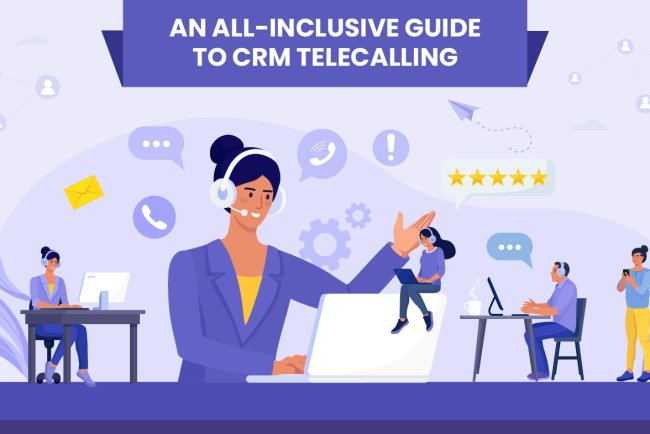
Top 12 Simple Strategies for a Successful Telecalling CRM Implementation
Discover the top 5 benefits of Telecalling CRM software to boost efficiency, improve customer engagement, and drive business growth. Learn more now!

Implementing a Telecalling CRM system can feel like piecing together a jigsaw puzzle without the picture on the box—it's challenging and can lead to frustration. However, with the right approach, you can ensure your implementation is successful, smooth, and effective.




This guide will provide 12 succinct strategies to help you navigate your Telecalling CRM implementation. Whether you're a business owner or part of a sales team, these tips will empower you to enhance customer relationships, boost sales, and streamline your processes. A well-implemented CRM can save your business time and money, but success hinges on careful planning and execution. Let’s see how to do it right.
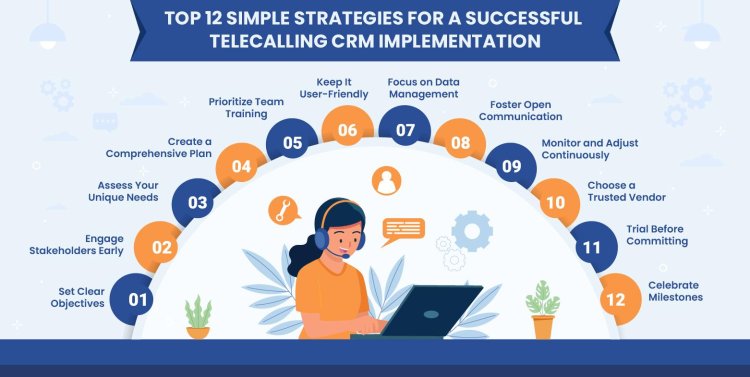
12 Simple Strategies for Successful Telecalling CRM Implementation
1. Set Clear Objectives
Begin by defining your goals. What do you hope to achieve with your Telecalling CRM? Whether you’re editing customer satisfaction or increasing sales, having clear objectives will guide your choice of system and features.
2. Engage Stakeholders Early
Involve your team from the outset. Gaining input from your sales and support staff can help you choose a CRM that meets their needs, fostering buy-in and reducing resistance to change.
3. Assess Your Unique Needs
Every business has distinct requirements. Take the time to evaluate what features are essential for your operations—integrations, automation, or customization. This will ensure you select a CRM that fits seamlessly into your workflows.
4. Create a Comprehensive Plan
Draft a detailed implementation plan outlining timelines, roles, and responsibilities. Include milestones to track your progress, allowing you to identify and address any challenges early.
5. Prioritize Team Training
Training is critical to successful CRM adoption. Incorporate hands-on training sessions into your plan to familiarize your team with the system. Ongoing training will help them stay updated on new features and best practices.
6. Keep It User-Friendly
Simplicity is essential. Choose a CRM that is easy to use and integrates well with existing processes. Start with core features, then expand as your team becomes more comfortable.
7. Focus on Data Management
Your CRM’s ability to handle data is crucial. Ensure it can manage large volumes of information and adapt as your business grows. Implement data quality measures to keep your customer information accurate and relevant.
8. Foster Open Communication
Communication is vital throughout the implementation phase. Keep your team informed about progress, changes, and expectations. A clear communication plan will help prevent misunderstandings and keep everyone aligned.
9. Monitor and Adjust Continuously
Once implemented, regularly assess your CRM’s performance. Schedule check-ins to gather feedback from your team and identify areas for improvement. This ongoing evaluation will help you maximize your CRM's benefits.
10. Choose a Trusted Vendor
Selecting the right vendor is critical. Look for a provider with a solid reputation and experience in Telecalling CRM solutions. Check reviews and seek recommendations to ensure you're an informed choice.
11. Trial Before Committing
Don’t make a decision. Take advantage of demos and trial periods to evaluate potential CRM options. Involve your team in testing to ensure the system aligns with their needs.
12. Celebrate Milestones
After a successful implementation, take time to celebrate! Recognize your team’s teamwork and highlight the new CRM's benefits. Celebrating achievements builds morale and encourages continued engagement with the system.
Why Small Businesses Need a Telecalling CRM
A Telecalling CRM isn’t a luxury for small businesses—it’s a necessity. It helps streamline sales processes, enhances customer experiences, and distinguishes you from com petitors.
A Tele-calling CRM can transform your operations with lead tracking and customer interaction monitoring features. These platforms offer robust capabilities that empower your sales team and enhance customer engagement.
Conclusion
Implementing a Telecalling CRM may seem daunting, but with these 12 strategies, you can confidently navigate the process. By clearly defining your objectives, engaging your team, and selecting the right tools, you’ll set the stage for a successful implementation.
dovyo CRM is a powerful solution designed to enhance your Tele-calling efforts. With its user-friendly interface, robust lead management, and comprehensive analytics, dovyo enables your team to streamline operations and improve customer interactions.
Remember, a well-chosen CRM is a powerful asset that can significantly boost your business efficiency and drive sales growth. Embrace the journey with dovyo telecalling CRM, and soon, you'll reap the rewards of your efforts!